

How Much Does a Vinyl Fence Cost on Long Island?
September 9, 2026
•
Written By
Residential Fences Corp
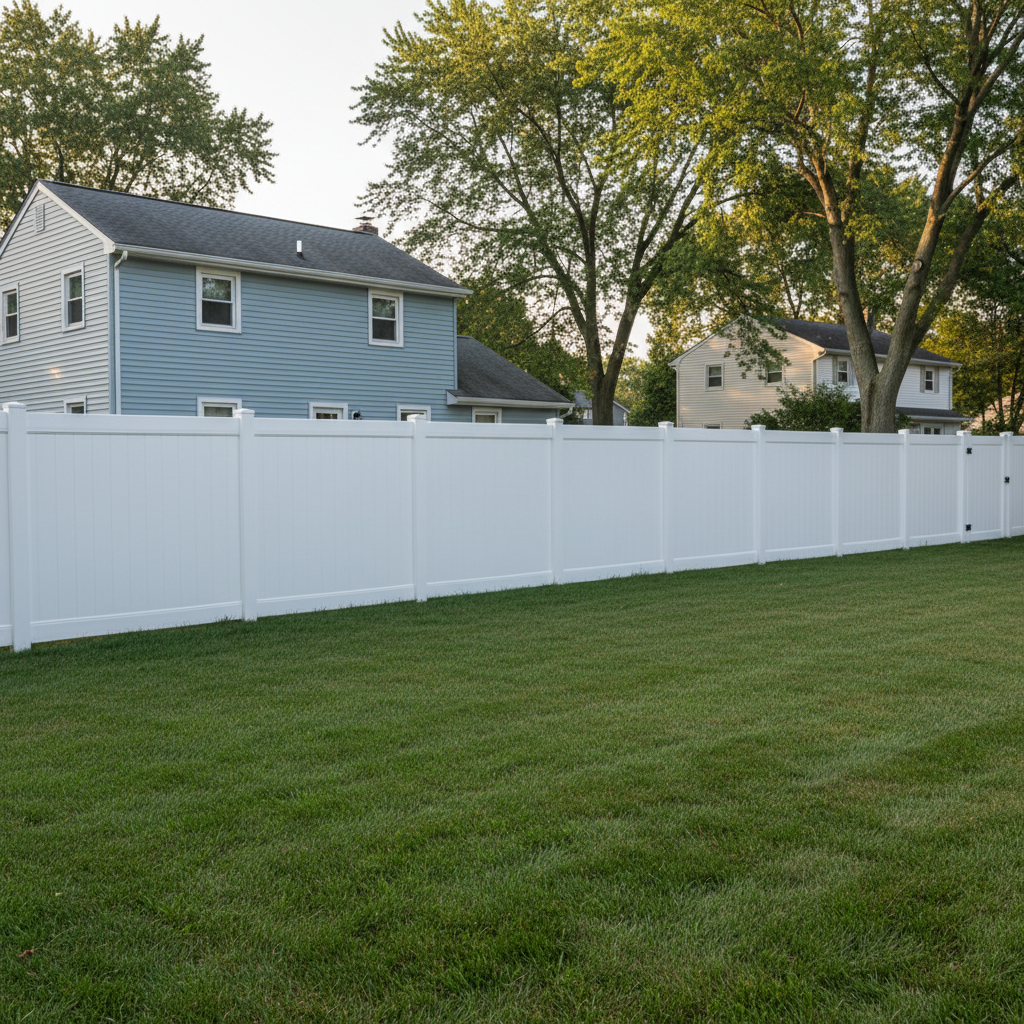
Most Long Island homeowners spend $25 to $45 per linear foot installed for a standard vinyl privacy fence, with a typical backyard project (150-200 linear feet) landing between $4,000 and $9,000. Height, style, color, and yard terrain move that number around, and we've broken all of that down in detail in our vinyl fence installation guide.
What that page doesn't cover, and what actually catches a lot of homeowners off guard mid-project, is everything that happens between getting a quote and getting a finished fence. That includes whether your chosen height triggers a building permit, whether your HOA allows the color or style you want, and whether the time of year you're installing adds cost or delay you didn't budget for. This guide covers that side of a Long Island vinyl fence project.
Key Takeaways
- A standard vinyl privacy fence on Long Island runs $25 to $45 per linear foot installed, with a typical backyard project (150-200 linear feet) landing between $4,000 and $9,000.
- Permit rules vary by town: the Town of Huntington requires a permit only above 6 feet, while the Town of Brookhaven requires one for any fence installation regardless of height.
- An HOA's own rules can be stricter than town code on height, color, and style, so check your community's architectural guidelines before ordering materials.
- Late winter through early spring is the best window to book ahead of the busiest installation season, while hurricane season (June through November) can occasionally push back a scheduled date.
Your Fence Height Decision Is Also a Permit Decision
Fence height rules aren't the same from one Long Island town to the next, and they directly affect whether you need a permit before installation even starts.
In the Town of Huntington, no fence over 6 feet in height can be built, installed, or modified without a building permit from the Department of Engineering Services. That includes decorative post caps: total height, including any cap or finial, can't exceed 6 feet 6 inches without one. Stay at or under that line and a standard residential vinyl fence generally doesn't need a permit; go taller (outside of specific exceptions like agricultural deer fencing, which can run up to 8 feet without a permit) and it does.
The Town of Brookhaven takes a different approach: a building permit is required for fence installation regardless of height. The town caps front-yard fences at 4 feet, while allowing up to 6 feet along side and rear yards. Fences also have to sit at least 6 inches off the property line, and gates are required to swing inward rather than out over a sidewalk or neighboring property.
The takeaway: before you settle on a 6-foot privacy fence because it's the most common choice for backyards, it's worth confirming your specific town's rule for your specific yard. A front-yard placement, a corner lot with two "front" yards, or a height right at a town's threshold can all change whether a permit, and the time that comes with it, is part of your project.
What a Permit Adds to Your Timeline (and Your Budget)
A permit fee itself is usually a small line item next to the cost of the fence, but the real cost is time. Between submitting a permit application, waiting for plan review, and scheduling any required inspection, a permitted installation can add real days or weeks to a project that would otherwise be scheduled and finished quickly. That's on top of whatever backlog a town's building department is running at the time you apply, which tends to get longer in spring when every homeowner on Long Island is filing for a summer project at once.
We build permit lead time into the schedule we give you upfront rather than treating it as a surprise, and part of a free on-site estimate is telling you plainly whether your project needs one. Vinyl is just one option in our full residential fencing lineup, so if permit rules or HOA restrictions push you toward a different material, we can walk through the tradeoffs during that same visit.
HOA Rules Can Be Stricter Than Town Code
Town code sets the outer limit, but it isn't the only rule that applies. Many Long Island communities with a homeowners association layer their own restrictions on top of what the town allows. Those restrictions can be tighter than town code in either direction. An HOA might cap fence height below what the town permits, limit color choices to a short approved list (standard white is almost always safe; some HOAs restrict woodgrain or colored vinyl finishes), or require board approval before installation even begins.
If you're in an HOA or a deed-restricted community, check your community's architectural guidelines before finalizing a style and color, not after a fence is already ordered. It's a five-minute check that avoids a much more expensive redo.
The Best Time of Year to Schedule a Vinyl Fence Installation
Spring and early summer are the busiest season for fence installation across Nassau and Suffolk County, which means longer lead times both for scheduling a crew and for getting a permit application reviewed if your project needs one. Homeowners who plan ahead and book in late winter or early spring, before the seasonal rush hits, typically get on the schedule faster.
Deep winter installations are possible but come with their own factors. Frozen or partially frozen ground makes digging post holes slower, and posts still need to be set to the proper depth for long-term stability regardless of how hard the ground is that week. Late summer and early fall, once the ground has fully thawed and dried out from spring rain, is often the most efficient window for a straightforward installation. It's also worth keeping an eye on the calendar during Long Island's active hurricane season (roughly June through November), since a named storm can push back a scheduled install by a few days regardless of the time of year.
None of this changes the linear-foot pricing on your estimate. But it does affect how far in advance you should call for a free on-site estimate if you have a specific date in mind, like wanting a new fence in place before hosting a summer gathering or before winter sets in.
Which Vinyl Fence Style Fits Your Yard
"Vinyl fence" covers more than one look, and the style you pick affects both price and how much privacy you actually get. A solid privacy panel, typically 6 feet tall with no gaps between boards, sits at the higher end of the per-linear-foot range and is the most common choice for backyards bordering a neighbor or a busier street. Semi-privacy styles use a shadowbox or lattice-top design that still blocks most sightlines while allowing more airflow, which some homeowners prefer for a pool area where full enclosure isn't required. Picket-style vinyl, generally 3 to 4 feet tall, is the least expensive option and works well for a front yard where the goal is defining the property line rather than blocking a view. Talking through how you actually use each part of your yard, entertaining space, pool area, or a simple front-yard boundary, before locking in a style helps avoid a mismatch. You won't end up paying for privacy you don't need in one section while under-building it in another.
Preparing Your Property Before Installation Day
A few steps before your installation date keep the project moving on schedule. Underground utility lines have to be marked before any post holes go in. New York law requires calling 811, or submitting a request through New York 811, at least two full business days before digging begins, regardless of whether the work is done by a contractor or a homeowner. We handle this coordination as part of your project, but it's worth knowing it's a required step and not just a formality. Beyond utility marking, clearing the fence line of any existing landscaping, furniture, or debris, and confirming exactly where your property line sits relative to a neighbor's, both help avoid delays once the crew arrives. If there's any question about your property line, a recent survey (if you have one from your home purchase) is the fastest way to settle it before posts go in the ground.
Getting a Permit-Accurate Estimate
Because permit requirements depend on your specific town, your yard's exact layout, and sometimes your HOA's own rules on top of that, the only way to get a truly accurate cost and timeline is a free on-site estimate. Our team can tell you on the spot whether your planned height and placement trigger a permit in your town, flag anything your HOA might require, and give you a realistic install date based on current scheduling and the season.
Frequently Asked Questions About Vinyl Fence Costs on Long Island
Do I need a permit for a vinyl fence on Long Island?
It depends on your town and your fence's height and location. The Town of Huntington requires a permit for any fence over 6 feet. The Town of Brookhaven requires one for any fence installation regardless of height, with a 4-foot limit in front yards and 6 feet in side and rear yards. Check with your specific town before finalizing a design.
Does an HOA affect what fence I can install?
Yes, and sometimes more than town code does. Many Long Island communities with a homeowners association restrict fence height, color, or style beyond what the town otherwise allows. Check your community's architectural guidelines before ordering materials.
What's the best time of year to install a vinyl fence on Long Island?
Late winter through early spring is the best time to book if you want to beat the busiest scheduling season. Late summer and early fall tend to offer the most efficient ground conditions for installation, while deep winter can slow down digging and hurricane season (June through November) can occasionally push back a scheduled date.
How much does a vinyl fence cost on Long Island?
Most vinyl privacy fences run $25 to $45 per linear foot installed, with a typical backyard project running $4,000 to $9,000. See our vinyl fence installation page for a full breakdown by height, style, and color.
Does a permit add to the cost of my fence?
The permit fee itself is usually a small amount relative to the installed cost of the fence, but it adds time to your project timeline for application review and any required inspection. We factor that into the schedule we give you during your free estimate.
Get a Free Vinyl Fence Estimate
Residential Fences Corp has installed fencing across Nassau and Suffolk County for over 55 years, and we can tell you upfront whether your project needs a permit. Request your free estimate online and we'll give you a real, itemized number and timeline for your yard: no inflated quotes, no pressure.
Recent Articles
Residential Fencing
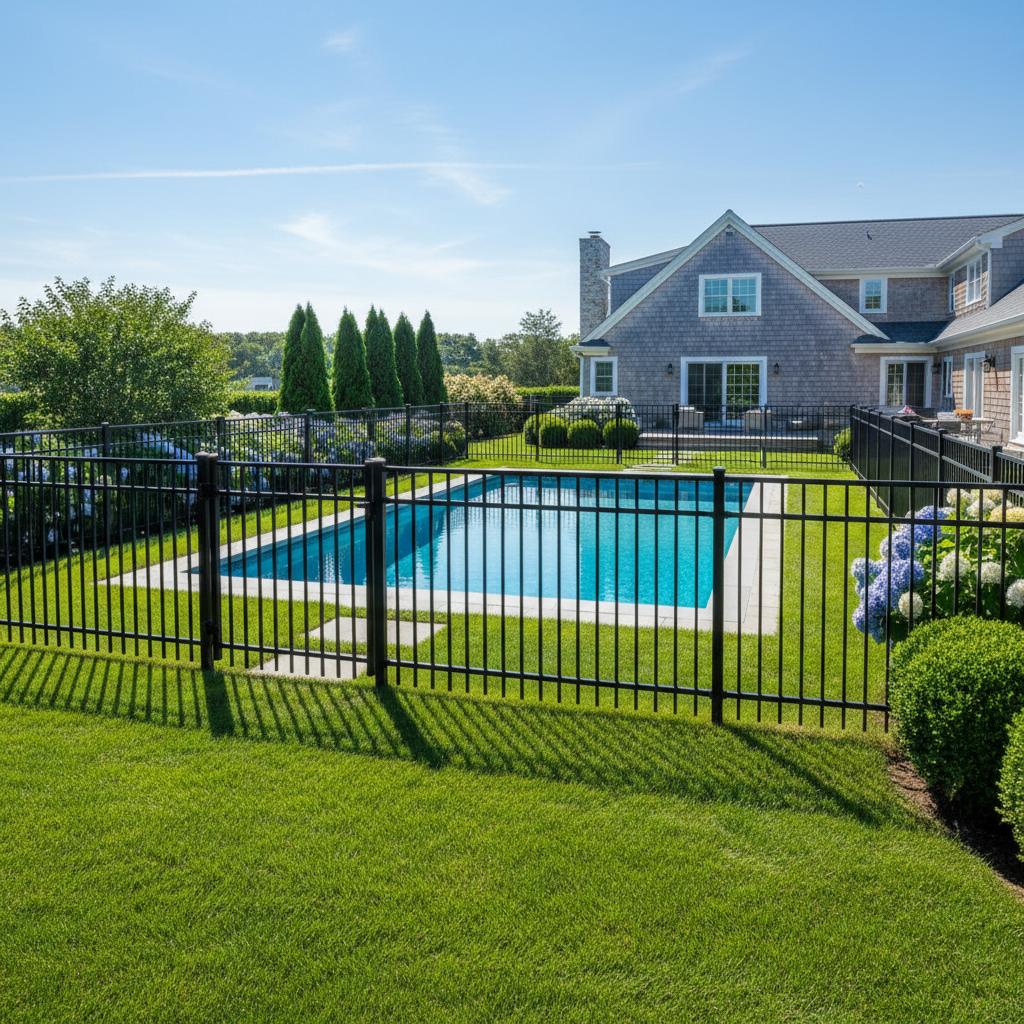
Pool Fence Requirements on Long Island: The Rules Every Pool Owner Must Follow
New York State requires every residential pool to be enclosed by a barrier at least 48 inches high with self-closing, self-latching gates. Here's exactly what Suffolk and Nassau County homeowners need to know about pool fence code, permits, and the fence that meets it.
October 7, 2026
Residential Fencing
How Much Does a Vinyl Fence Cost on Long Island?
Vinyl fence installation on Long Island runs $25 to $45 per linear foot. See what really affects your total cost, including town permits, HOA rules, and timing.
September 9, 2026